Picture yourself walking to coffee, hopping the Blue Line, and ending the day at a live show. If that sounds like your kind of first home, NoDa might be the right fit. Buying here can feel fast and competitive, so a simple plan goes a long way. In this guide, you’ll learn the neighborhood basics, real monthly costs, and the exact steps to buy in North Carolina with confidence. Let’s dive in.
Why buy in NoDa
NoDa is Charlotte’s historic arts district with galleries, murals, breweries, and a lively dining scene. It sits a few miles northeast of Uptown and is known for its walkability and in-town access. You also get easy transit: the LYNX Blue Line’s 36th Street Station sits right by the North Davidson corridor, making commutes simple (see station details).
As of February 2026, the median sale price in NoDa is about $480,000 (Redfin). The median listing price is roughly $515,000 (Realtor.com). Portals measure different things, which explains the gap. The market trends as somewhat competitive with sale-to-list ratios near the high 90s, so solid preparation matters for first-time buyers.
For local flavor and what draws people here, explore this quick neighborhood overview of the North Davidson Arts District.
What you can buy in NoDa
Historic bungalows and mill houses
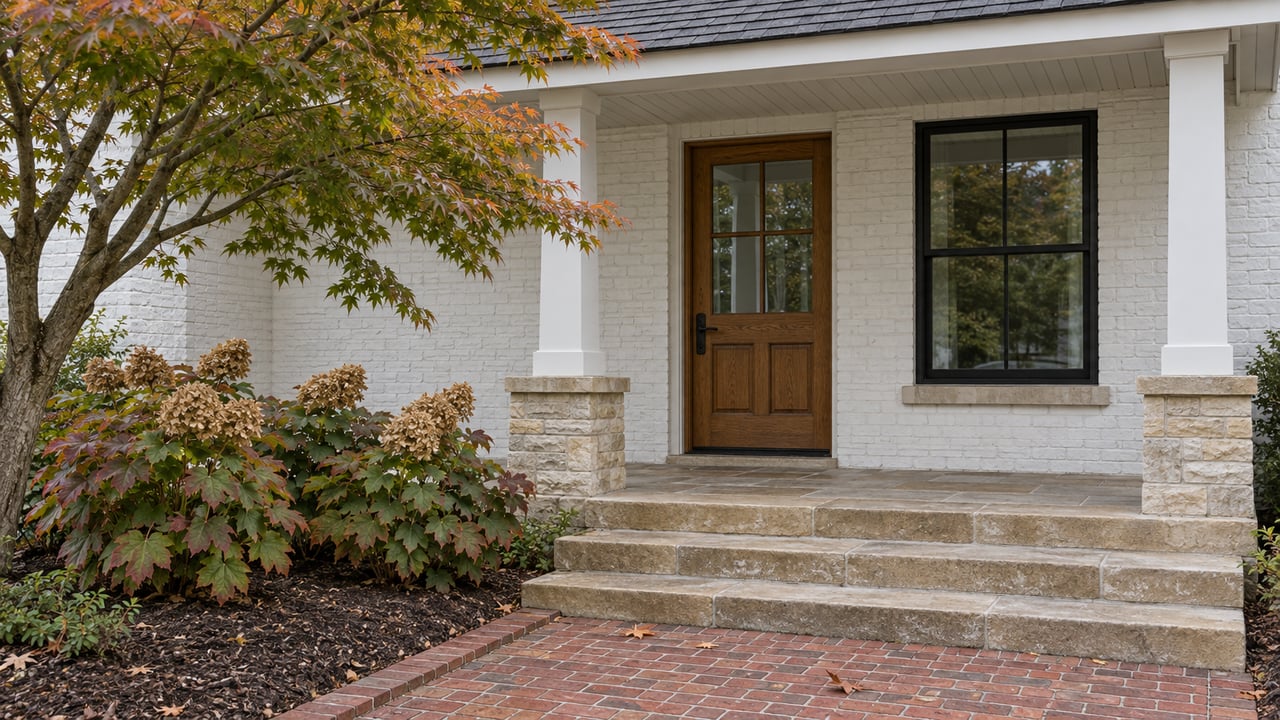
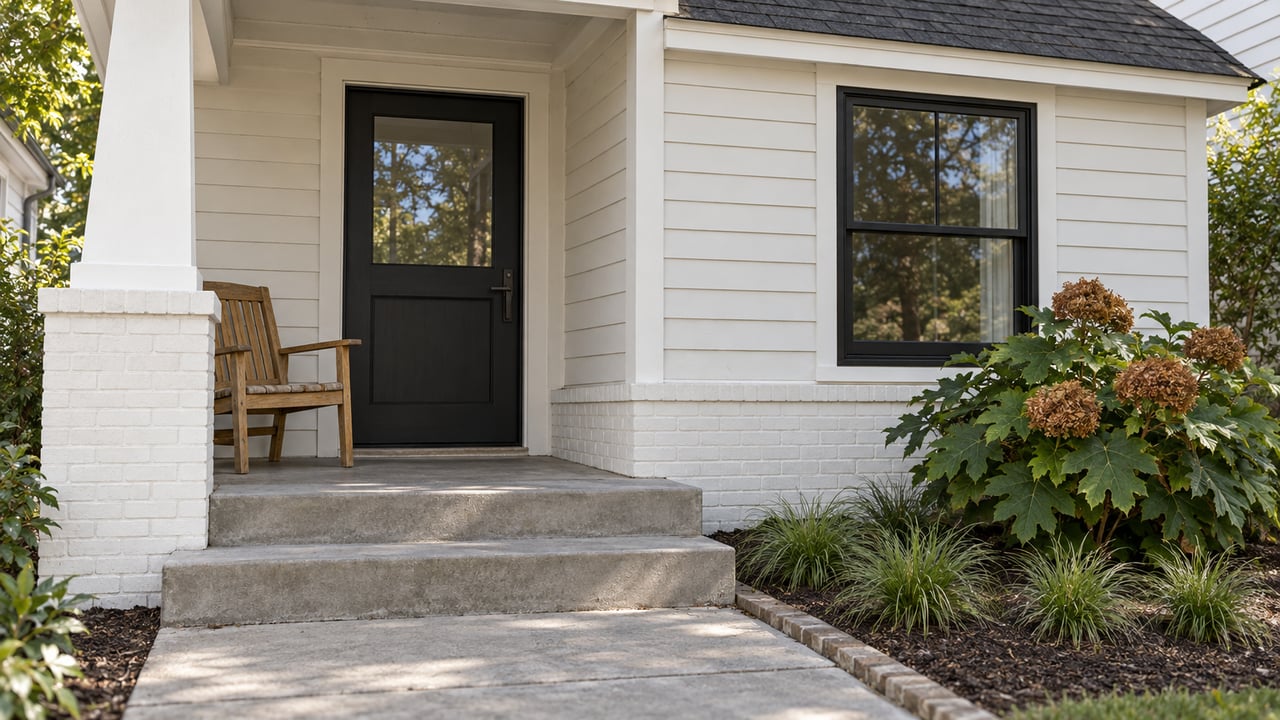
These often-renovated homes offer charm, porches, and small yards. You handle your own maintenance and insurance, and there usually is no HOA. Parking can be driveway or street. Expect more upkeep than a newer build.
Townhomes and rowhomes
Modern townhomes built in the last 10 to 15 years are common. HOAs typically cover exterior upkeep and shared areas. Dues in Charlotte often range from the low hundreds to several hundred dollars per month, depending on services. You get lower maintenance, but you trade a bit of privacy and yard space.
Condos and loft conversions
Low-rise condos and warehouse-style lofts appear closer to the neighborhood core. HOAs handle most exterior maintenance. Dues vary widely, so budget carefully. Parking can be surface lots or garages, and storage may be limited compared to single-family homes.
Newer infill single-family
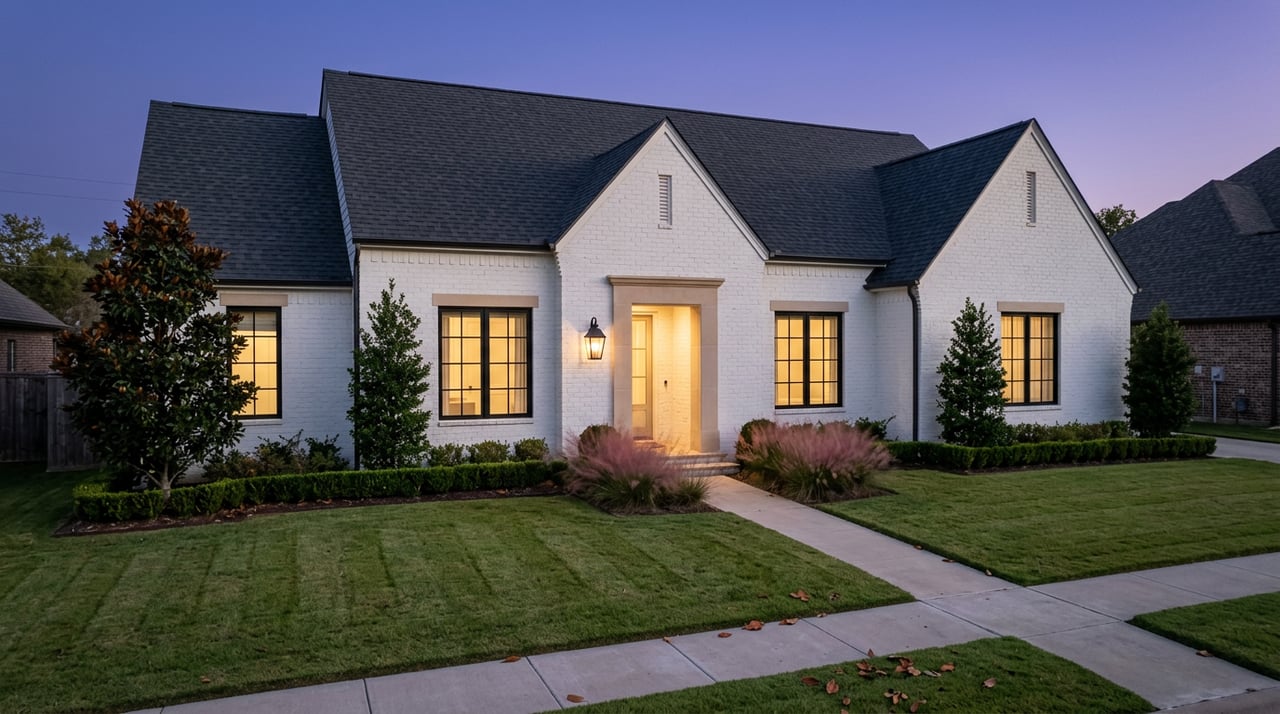
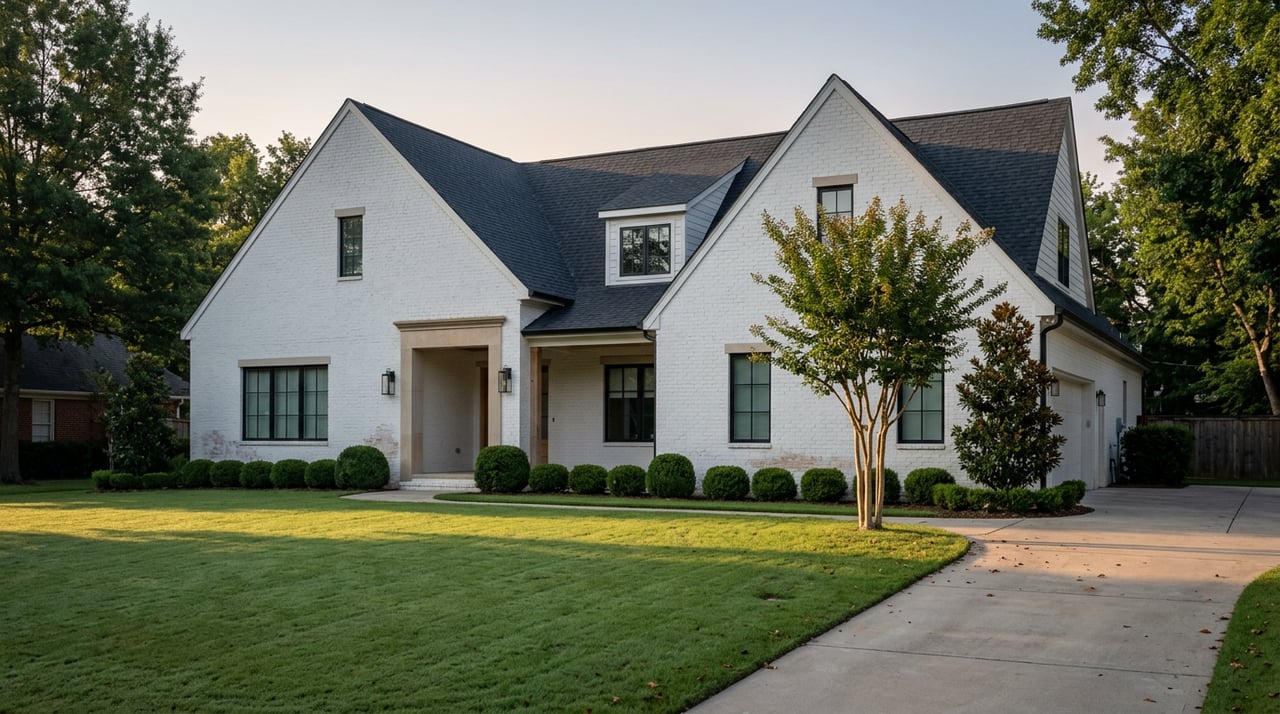
You’ll find modern homes on subdivided lots and semi-detached options. These bring newer systems and energy efficiency. They can carry a price premium and may have smaller lots, but maintenance is typically lighter in the early years.
Your true monthly payment
List price is only the start. To build a realistic budget, include these recurring costs.
- Property taxes: Mecklenburg County and the City of Charlotte both levy property tax. Using current adopted rates, a combined estimate is about 0.7668% of assessed value for a NoDa address. You can confirm the latest rates on the Mecklenburg County tax page.
- HOA or condo dues: Common for townhomes and condos. Plan for low hundreds to several hundred dollars per month depending on amenities and coverage.
- Homeowners insurance: Charlotte premiums are commonly in the low thousands per year, depending on coverage and your risk profile. Compare carriers and coverage levels. For context, review Charlotte homeowners insurance cost guides.
- Mortgage insurance (PMI): Applies when you put less than 20% down. It is an added monthly cost until you reach required equity.
- Utilities and internet: Plan for electricity, water, sewer, and trash. Fiber and cable internet are widely available, with plans starting near typical market prices in the $40 to $100+ range from providers like AT&T Fiber in Charlotte.
- Maintenance and reserves: A common rule of thumb is 1% to 3% of home price per year for maintenance. Set aside a monthly amount for repairs and future big-ticket items like the roof or HVAC.
Example budgets for NoDa
These examples use a combined property tax estimate of 0.7668% and illustrate payments at 6% and 7% interest on a 30-year fixed loan. Your numbers will vary. Always plug in current rates and exact tax and HOA figures for the specific property.
Modest attached unit or condo — $350,000 list price, 5% down
- Loan: about $332,500
- Principal and interest: about $1,996/month at 6%, about $2,206/month at 7%
- Property tax: about $224/month
- HOA: about $150 to $300/month
- Insurance: about $80 to $120/month; utilities and internet: about $150/month
- PMI: roughly $150 to $250/month
- Total monthly estimate: about $2,700 to $3,100
Typical single-family bungalow — $480,000 list price, 10% down
- Loan: about $432,000
- Principal and interest: about $2,591/month at 6%, about $2,866/month at 7%
- Property tax: about $307/month
- Insurance: about $100 to $150/month; utilities: about $200/month
- PMI: about $150 to $200/month
- Total monthly estimate: about $3,300 to $3,700
Newer infill or larger single-family — $650,000 list price, 20% down
- Loan: about $520,000
- Principal and interest: about $3,118/month at 6%, about $3,450/month at 7%
- Property tax: about $415/month
- Insurance: about $150 to $250/month; utilities: about $250/month
- Total monthly estimate: about $3,900 to $4,300
How the NC offer process works
Due diligence explained
North Carolina’s standard Offer to Purchase gives you a negotiated Due Diligence Period and a Due Diligence Fee paid to the seller. During this period, you have the unrestricted right to terminate for any reason. The due diligence fee is typically nonrefundable to the seller if you walk away, except in limited contract situations. Earnest money is separate and is handled differently if you terminate within the due diligence window. For background, see guidance from the North Carolina Real Estate Commission.
Timeline you can expect
- Day 0: Offer accepted, due diligence begins, you wire the due diligence fee.
- Days 1 to 7: Book inspections, request seller disclosures, and gather HOA documents.
- Days 7 to 14: Review reports, negotiate repairs or credits, or decide to terminate within your window.
- Appraisal: Usually ordered soon after loan submission and can take about 7 to 10 days from order.
- Closing: Commonly 30 to 45 days from contract in the Charlotte area, faster with cash or streamlined financing.
Inspections to order
- General home inspection: A top-to-bottom check of structure, roof, electrical, plumbing, and HVAC. Typical Charlotte costs run about $350 to $550 depending on size and add-ons. See typical pricing in this North Carolina inspection cost overview.
- Sewer scope: Recommended for older urban homes to check for root intrusion or line breaks. For context on service options, review sewer camera inspection information for Charlotte.
- Wood-destroying insect report: Many lenders require it, and treatment may be needed if activity is found.
- Specialist evaluations: If the inspector flags concerns, schedule licensed roofers or HVAC pros during due diligence for quotes.
Appraisal and financing
Your lender orders an appraisal to confirm value for underwriting. If the appraisal comes in below contract price, the lender typically lends against the appraised value. You and the seller can renegotiate, you can bring cash to bridge the gap, or you can use an appraisal gap strategy if it fits your comfort level. Learn how multiple-offer terms like gaps can affect risk in this overview of offer strategies.
Strategies to win in NoDa
- Get fully pre-approved with a local lender so you can move fast.
- Write a clean offer with realistic timelines. In competitive moments, sellers may prefer shorter due diligence periods and strong earnest money.
- Consider appraisal gap language only if it aligns with your budget and risk tolerance.
- Keep inspections. You can adjust timelines, but skipping core inspections adds avoidable risk.
- Use neighborhood comps and market context. NoDa often runs somewhat competitive with sale-to-list ratios near the high 90s, so terms and speed can matter.
Step-by-step plan to your first NoDa home
- Define your target monthly payment using the example budgets above.
- Get pre-approved and confirm your down payment, PMI, and closing costs.
- Tour a mix of bungalows, townhomes, and condos to confirm tradeoffs.
- Pull exact property tax estimates and HOA dues for homes you like.
- Price your offer using recent comps and your comfort with timelines and fees.
- Go under contract and start inspections immediately.
- Work with your lender on appraisal and final approval.
- Complete your final walkthrough and close.
Ready to get started?
You deserve a guide who knows NoDa’s streets, understands financing, and can spot renovation potential that adds value. If you want a clear plan from first tour to closing, connect with Tyler Ferguson for hands-on, local guidance.
FAQs
What does the due diligence fee mean in North Carolina?
- It is a negotiated fee you pay the seller for your right to terminate during the Due Diligence Period. It is typically nonrefundable to the seller if you walk away, while earnest money is handled separately under the contract.
How much are property taxes for a NoDa home?
- A combined estimate uses Mecklenburg County plus City of Charlotte rates, which total about 0.7668% of assessed value based on current adopted rates. Confirm the latest numbers on the county tax page.
Which inspections are smart for older NoDa homes?
- Start with a general home inspection, then add a sewer scope, a wood-destroying insect report, and targeted roof or HVAC evaluations if flagged. Typical general inspections run about $350 to $550.
How competitive is NoDa for first-time buyers?
- It trends somewhat competitive, with recent sale-to-list ratios near the high 90s. Strong pre-approval, a realistic due diligence window, and clean terms can help your offer stand out.
Is the LYNX Blue Line convenient to NoDa homes?
- Yes. The 36th Street Station sits by the North Davidson corridor, which shortens many commutes. Exact walk times vary by address; confirm distance during showings using the station reference.