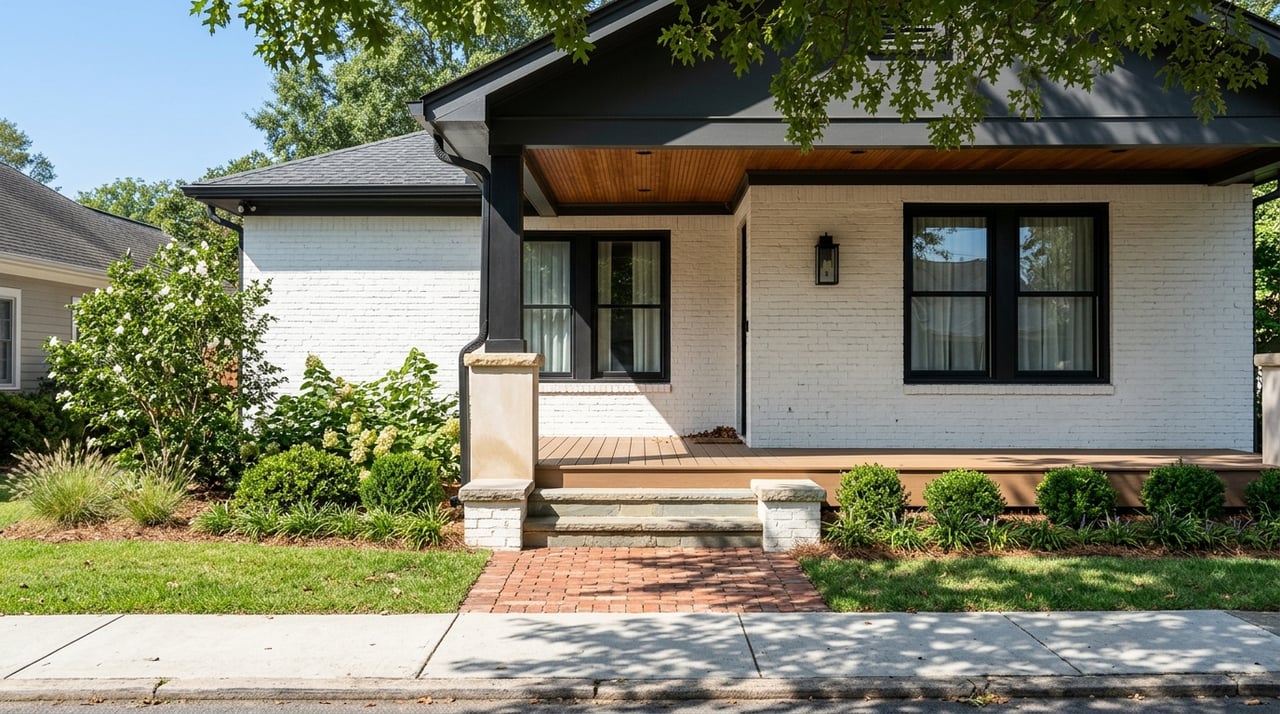
If your ideal Charlotte day starts with coffee, includes a park or greenway break, and ends with dinner close to home, Dilworth deserves a closer look. This historic neighborhood offers a daily routine that feels more connected, more convenient, and more human-scale than many car-dependent areas. If you are wondering what walkable living in Dilworth actually looks like, this guide will help you understand the streets, homes, and lifestyle that shape the neighborhood. Let’s dive in.
Why Dilworth Feels Walkable
Dilworth’s walkable feel is not an accident. According to the City of Charlotte’s historic district overview, the neighborhood began in the 1890s as Charlotte’s first suburb and was linked to downtown by the city’s first electric streetcar.
That early planning still matters today. The National Park Service-backed planning history referenced by the city explains Dilworth’s curved roads and branching side streets, which help create the leafy, slower-paced layout many buyers notice right away. Charlotte also recognized Dilworth as a Great Walkable Neighborhood in its 2023 Urban Design Awards.
Daily Life on Foot
Walkable living usually comes down to one question: can you comfortably handle everyday routines without always getting in the car? In Dilworth, many residents are drawn to the answer.
The neighborhood’s streetscape and land-use planning place clear emphasis on pedestrian, bicycle, and transit-friendly travel, along with better access to parks and greenways. That means the built environment supports everyday movement, not just weekend recreation.
Just as important, the neighborhood feels pleasant to walk. The tree canopy is a big part of that experience, and the Dilworth Community Association’s master tree plan notes that street trees are central to the neighborhood’s historic appearance and long-term character.
Tree Canopy Shapes the Experience
In some neighborhoods, landscaping is a bonus. In Dilworth, it is part of the identity.
Mature trees line many streets and help create shade, rhythm, and visual consistency as you move through the neighborhood. City historic-district rules and the neighborhood tree plan both help protect that canopy, which supports the calm, established feel people often associate with Dilworth.
For buyers, this matters in a practical way too. A beautiful walk is more likely to become part of your actual routine when the streets feel comfortable and inviting.
Greenway Access Adds Flexibility
One of Dilworth’s biggest lifestyle advantages is how easily it connects to larger outdoor networks. Mecklenburg County says Little Sugar Creek Greenway stretches more than 17 miles and forms part of the Cross Charlotte Trail.
That gives you options beyond neighborhood sidewalks. Whether you want a morning run, an evening bike ride, or a car-free route for fresh air, the greenway adds real flexibility to daily life.
The City of Charlotte also notes that the Uptown CycleLink is a 7-mile network planned to connect more than 40 miles of bikeways across center city and link to Little Sugar Creek Greenway. For anyone who values active transportation, that broader connectivity is part of Dilworth’s appeal.
South End Extends Your Routine
A big reason Dilworth feels so livable is its proximity to South End. The line between the two areas can feel seamless in daily use, especially if your routine includes coffee shops, casual dining, retail stops, or public spaces.
The South End Rail Trail guide describes the Rail Trail as a 3.5-mile linear public park connecting restaurants, breweries, bars, shops, and public art. It also highlights coffee destinations around Atherton Mill, including Not Just Coffee.
This nearby access expands what “walkable living” can mean. You are not limited to a few blocks of convenience. Instead, you have a broader connected area that supports errands, exercise, and social time in a way that feels easy and natural.
What the Homes Look Like
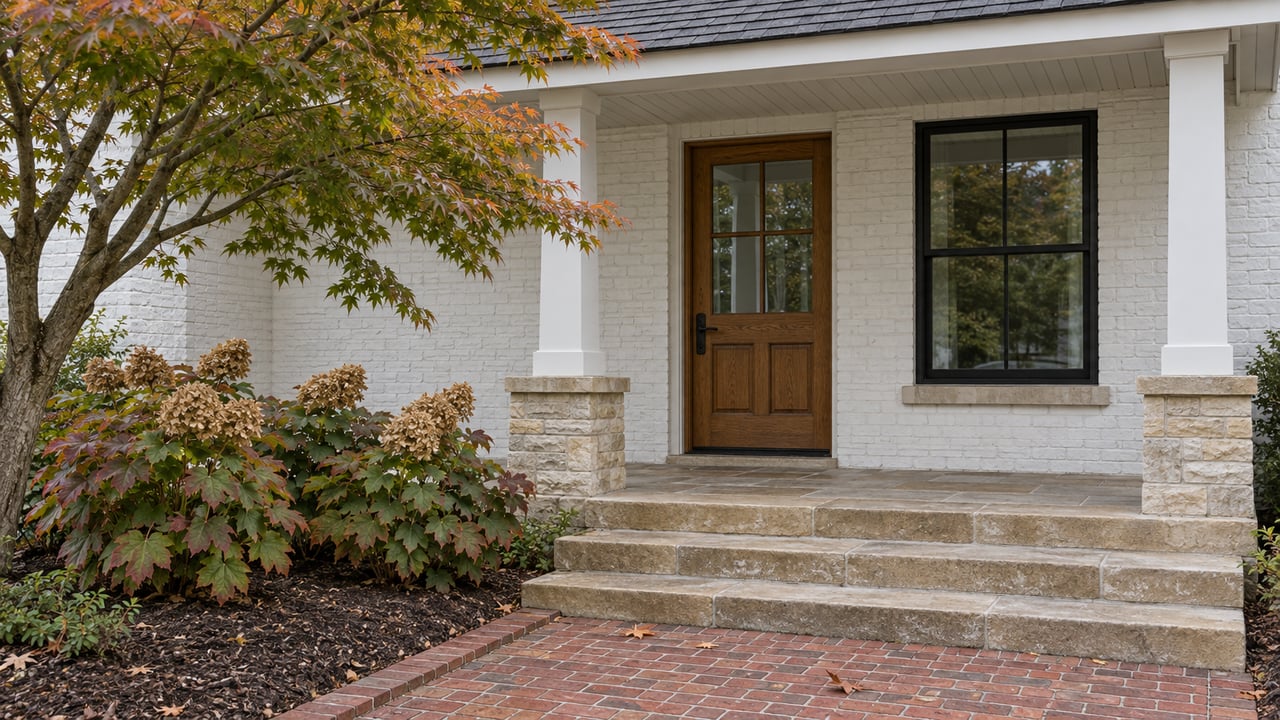
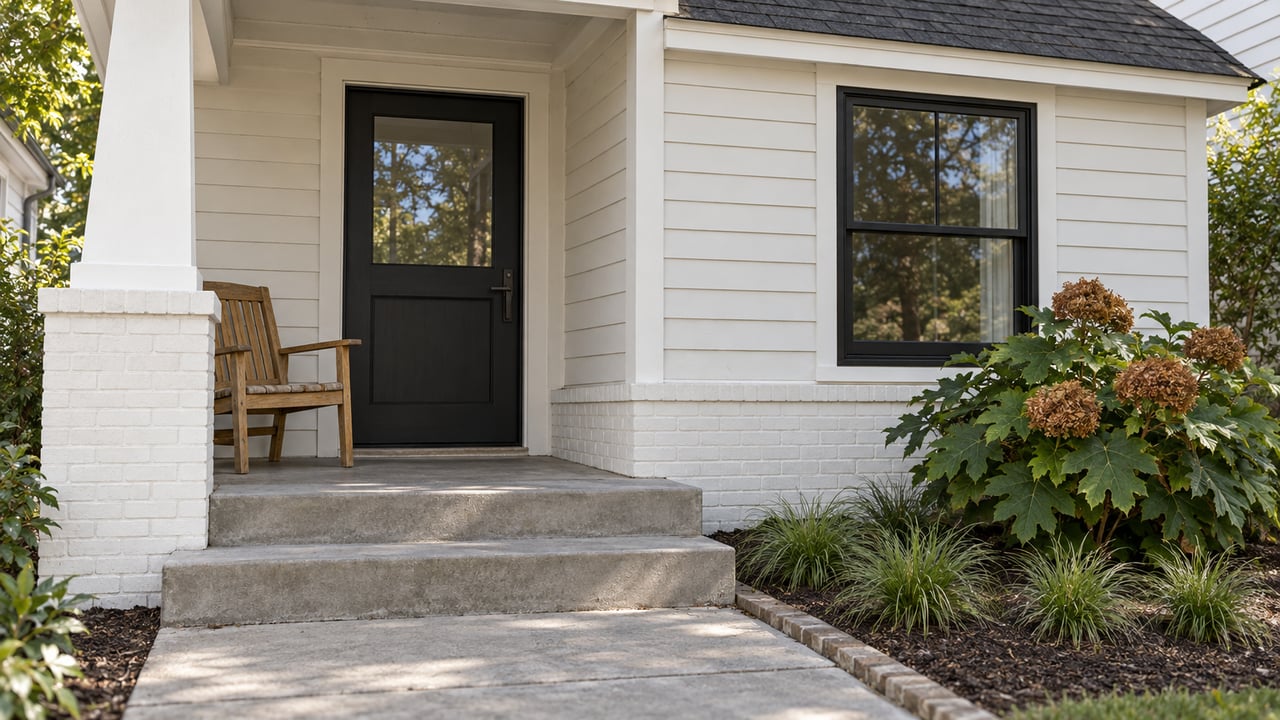
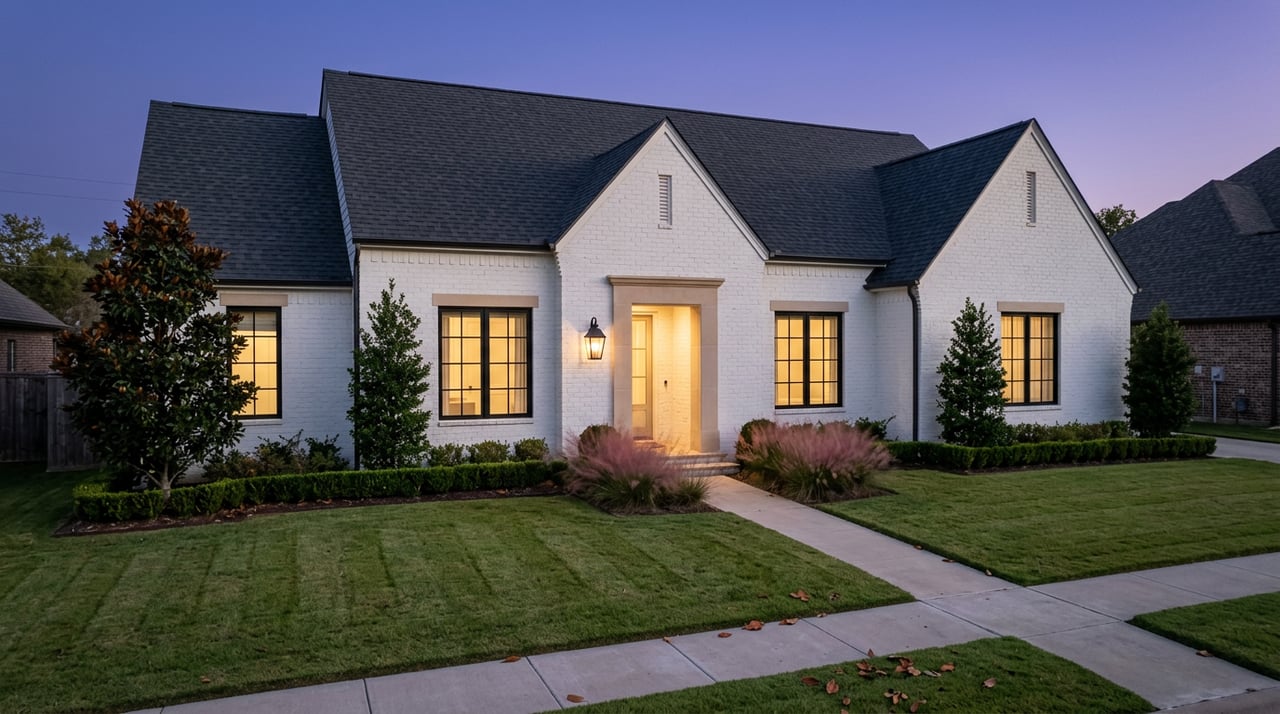
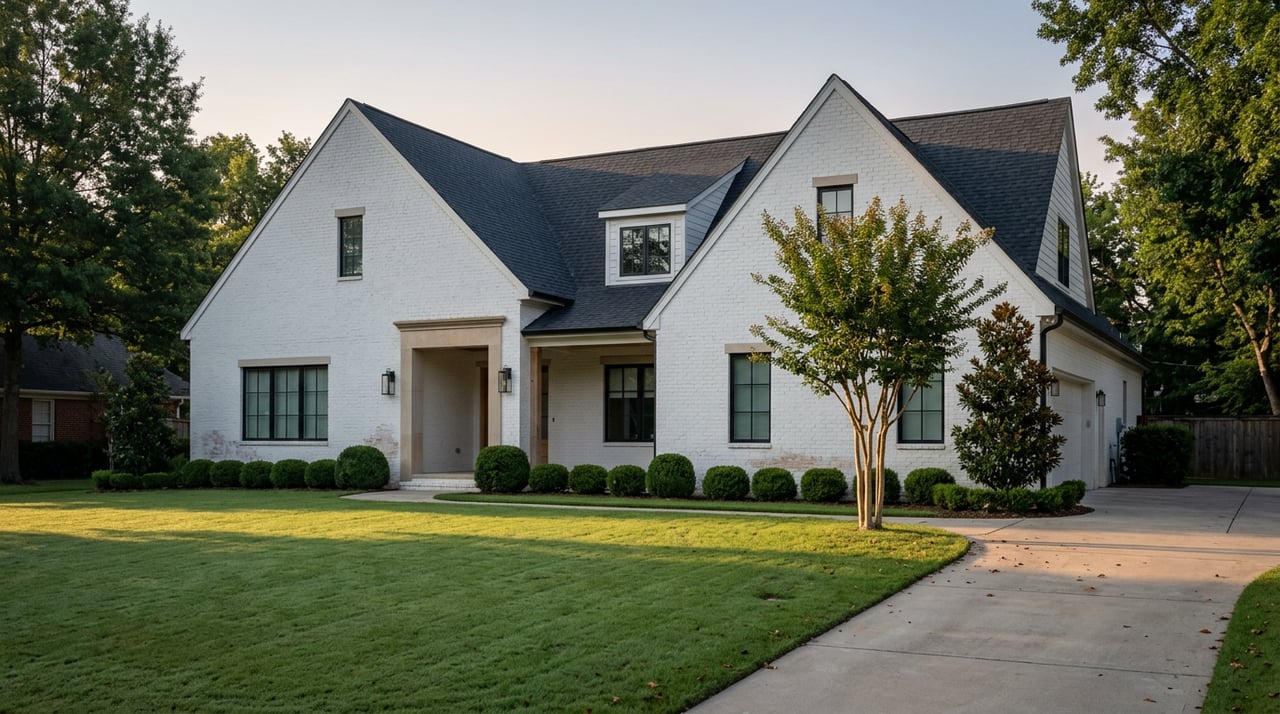
Dilworth’s housing stock plays a major role in its charm. According to the Charlotte architectural survey, the neighborhood includes large homes on large lots, mid-scaled dwellings on smaller lots, bungalows, historic-revival homes, 1920s quadraplexes, and apartment buildings.
That variety gives buyers more than one entry point into the neighborhood. You may find classic bungalow character, more prominent homes along major avenues, or attached and multifamily options that fit a different stage of life.
The same survey specifically notes substantial bungalows along East Kingston and East Worthington, the streets that run parallel to East Boulevard. These details matter because they help explain why the neighborhood feels visually rich instead of repetitive.
Grand Avenues and Smaller Streets
Not every part of Dilworth feels exactly the same. The city’s historic district design standards explain that lots along East Boulevard, Dilworth Road, Dilworth Road East, and Dilworth Road West are generally larger, and homes there tend to be more architecturally detailed.
That creates a layered neighborhood form. Some streets feel grander and more formal, while others feel quieter and more compact.
For buyers, this means your experience can vary a lot within the same neighborhood. A local search strategy matters because block-by-block differences can affect home style, lot size, and how close you feel to everyday destinations.
Why Historic Character Matters
Dilworth is not simply an older neighborhood. It is a local historic district, and that status shapes both the appearance of the area and what owners can do with their homes.
The City of Charlotte’s Historic District information states that exterior changes such as windows, doors, fencing, and tree removal require Historic District Commission approval and a Certificate of Appropriateness. That process helps preserve the neighborhood’s visual character over time.
For some buyers, that structure is a major plus. It can support consistency and protect the historic setting that makes Dilworth attractive in the first place.
Renovating Without Losing the Charm
If you love older homes but want modern function, Dilworth often offers that middle ground. Recent Historic District Commission case examples show a common renovation pattern: restore porches, repair or match original windows and trim, and place additions at the rear or make them visually distinct from the original structure.
In practical terms, many updates here aim to keep the charm and improve the livability. You may see owners modernize kitchens, interior layouts, and systems while preserving the front-facing details that define the home’s original personality.
That pattern aligns well with buyers who want character but also want a home that works for today’s routines. It also reinforces why construction and renovation guidance can be especially valuable in Dilworth.
Limited Space Shapes the Market
Another important part of Dilworth’s story is what is not there: large amounts of vacant land. The city’s design standards and land-use planning point to very little open land for major new development, so most future change is expected through infill or redevelopment rather than large empty parcels.
That tends to keep the neighborhood’s framework intact. It also means available homes can be highly specific, with each property offering its own mix of location, condition, lot size, and renovation history.
If you are shopping in Dilworth, this is one reason patience and preparation matter. The right fit is often less about volume of inventory and more about recognizing value when the right opportunity appears.
Is Dilworth the Right Fit for You?
Dilworth can be a strong match if you value proximity, historic architecture, and a neighborhood layout that supports getting around on foot or by bike. It may also appeal to you if you enjoy older homes and understand that character sometimes comes with maintenance, approvals, or renovation planning.
It may be less ideal if you want a brand-new neighborhood feel or a setting with larger amounts of new construction. Dilworth’s appeal is closely tied to its established fabric, mature canopy, and preservation-minded approach.
The key is knowing how your daily routine lines up with the neighborhood. If you want Charlotte living that feels connected, design-forward, and grounded in place, Dilworth stands out.
How to Shop Dilworth Smartly
If you are considering a move here, keep these priorities in mind:
- Study the block, not just the ZIP code. Grand avenues and smaller side streets can feel very different.
- Look beyond finishes. In older homes, layout, systems, and renovation quality matter as much as style.
- Understand historic district rules. Exterior plans may require approval.
- Think about your real routine. Walkability works best when it matches where you actually like to go.
- Evaluate future flexibility. If you may renovate later, it helps to know what is likely realistic before you buy.
A neighborhood like Dilworth rewards informed decision-making. The more clearly you understand the home, the street, and the historic framework, the more confident your move can be.
If you want help evaluating Dilworth homes, comparing blocks, or thinking through renovation potential, connect with Tyler Ferguson. His local market knowledge, finance background, and practical renovation insight can help you make a smart move in one of Charlotte’s most established neighborhoods.
FAQs
What makes Dilworth in Charlotte feel walkable?
- Dilworth’s walkable feel comes from its historic street layout, tree-lined sidewalks, access to nearby destinations, and planning that emphasizes pedestrian, bicycle, and transit-friendly travel.
What types of homes are common in Dilworth, Charlotte?
- Dilworth includes a mix of bungalows, historic-revival homes, larger residences on larger lots, 1920s quadraplexes, apartment buildings, and other mid-scaled dwellings.
What should buyers know about historic homes in Dilworth?
- Because Dilworth is a local historic district, many exterior changes require Historic District Commission approval and a Certificate of Appropriateness.
How does the Little Sugar Creek Greenway connect to Dilworth living?
- The greenway gives residents access to a larger trail network for walking, running, and biking, which adds flexibility to everyday life beyond neighborhood sidewalks.
Why do Dilworth homes often keep their original character after renovation?
- Recent historic district cases show that many renovations focus on restoring porches, matching original details, and placing additions at the rear so updates do not overwhelm the original home.