Curious what daily life in Waxhaw really feels like? If you are comparing the historic heart of town with its newer neighborhoods, the answer is not one-size-fits-all. Waxhaw offers two distinct everyday rhythms, and understanding that contrast can help you choose a home that fits how you actually want to live. Let’s dive in.
Historic Waxhaw at a Glance
Waxhaw’s historic downtown is the town’s cultural, economic, and social center. It is listed on the National Register of Historic Places, and the area is known for historic architecture, locally owned businesses, restaurants, retail shops, public art, professional services, and events throughout the year.
In practical terms, this part of Waxhaw gives you the most naturally walkable daily experience in town. The town also provides free public parking in lots and on-street spaces, which makes downtown easy to visit even if you are not living right in the core.
What day-to-day life feels like downtown
If you enjoy being able to park once and do several things in one trip, downtown Waxhaw stands out. You can grab coffee or lunch, browse local shops, spend time in the park, and take in an event without needing to drive from stop to stop.
The town actively supports that experience. Its downtown planning efforts focus on walkability, safety, connectivity, parking, infrastructure, arts, and preservation, so the area is not just historic, but also intentionally improved for everyday use.
What you will find in the business district
Downtown’s business mix leans toward breweries, restaurants, boutiques, and gift shops. Historic records also note that the central business district became a regional center for retail antiques, and many of the older commercial buildings now house antique businesses.
That gives downtown Waxhaw a distinct personality. It feels more like a traditional Main Street destination than a newer suburban shopping area.
Newer Waxhaw at a Glance
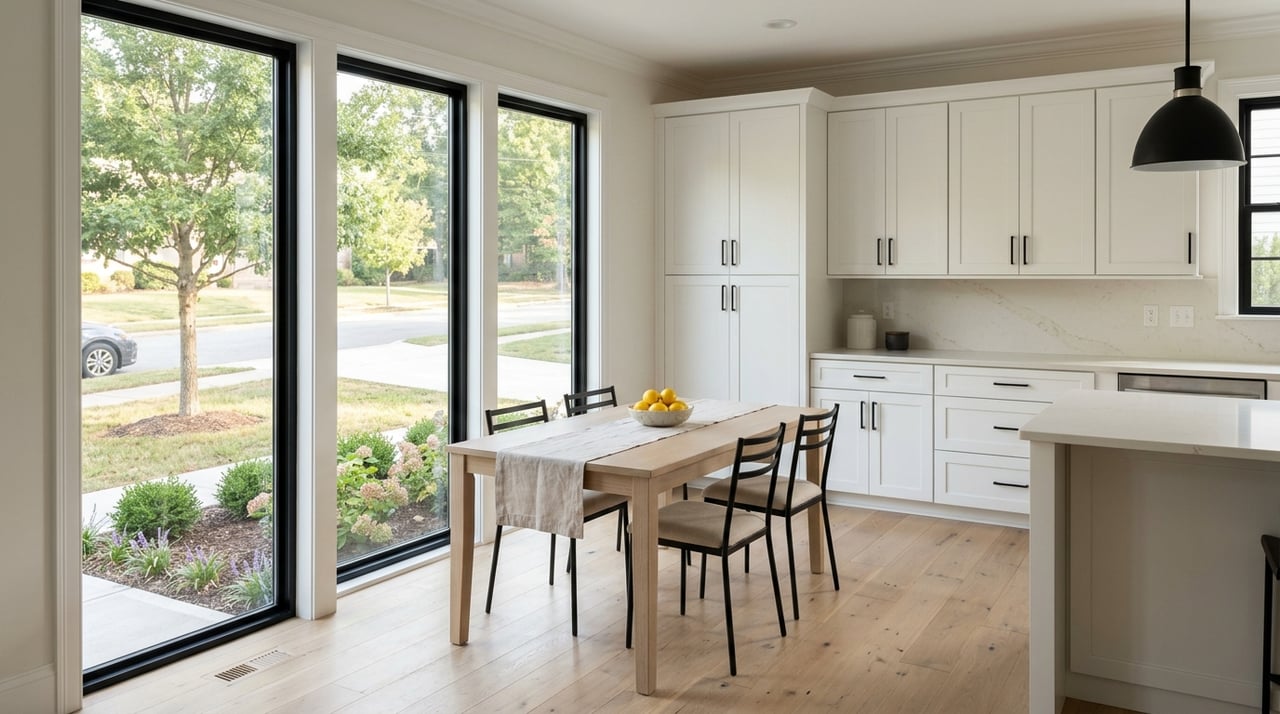
Newer areas of Waxhaw offer a different kind of lifestyle. Instead of a compact main street setting, these neighborhoods are generally more suburban in layout, with more space, newer construction, sidewalks, and internal trail networks in some communities.
Town planning documents describe newer residential areas as having curving streets, cul-de-sacs, sidewalks on one or both sides, and neighborhood trail systems. The broader goal is to improve connections between homes, parks, downtown, and everyday destinations over time.
What daily life feels like in newer neighborhoods
In most newer parts of Waxhaw, your routine is likely to be more car-oriented than it would be in the historic core. You may still have good options for walks inside your neighborhood or on nearby trails, but errands and dining are usually less integrated into a single walkable district.
That does not mean these areas lack lifestyle appeal. It simply means the daily pattern often centers more on home, neighborhood streets, and recreation spaces, with driving still playing a bigger role in getting around.
What the built environment looks like
Current builder offerings show a broad mix of housing types in Waxhaw, including townhomes, larger single-family homes, and custom homes on larger lots. In general, newer homes tend to have larger footprints and more subdivision-oriented layouts.
For many buyers, that translates into more interior space, newer finishes, and a more modern neighborhood setting. If you want a home that feels newer and more spacious, the newer side of Waxhaw may be the better fit.
Walkability and Getting Around
The biggest lifestyle difference between historic Waxhaw and newer Waxhaw often comes down to how you move through your day. Downtown is the easiest place in town to experience on foot, with shops, restaurants, events, and public spaces close together.
Newer neighborhoods are evolving with more sidewalks, trails, and planned connections, but they are still generally more suburban in form. If your ideal day includes strolling to a restaurant or browsing shops without getting in the car, downtown has the clearest advantage.
Downtown favors a park-once routine
Waxhaw encourages people to explore downtown on foot, by car, or by bicycle. Downtown Park also has pedestrian access from Givens Street and Lynn Street, reinforcing the area’s role as a walkable gathering place.
That setup supports a simple routine many buyers want. You can head downtown, park, and enjoy multiple stops in one outing.
Newer areas support neighborhood walking
The newer side of town often works better for neighborhood walks than for walk-to-everything convenience. Internal sidewalks and HOA trail networks can make it easier to stay active close to home.
That can be a strong fit if you want a quieter residential environment with room to move around, but you are comfortable driving for many daily needs.
Parks and Recreation in Everyday Life
One of Waxhaw’s biggest lifestyle strengths is its park system. The town’s Parks and Recreation Department focuses on recreational, educational, and cultural opportunities that promote a healthy lifestyle, and Waxhaw is known for family-friendly events throughout the year.
This matters because outdoor life in Waxhaw is not limited to private neighborhood amenities. Many routines here can be built around town parks, trails, and public programming.
Downtown Park shapes the historic core
Downtown Park is one of the most important lifestyle anchors in Waxhaw. The town describes it as a space with greenways, picnic pods, outdoor fitness, nature-themed playgrounds, an amphitheater, movie nights, summer concerts, nature education, and walking paths.
If you live near downtown, that park can become part of your regular week instead of an occasional destination. It adds a strong public-space element to life in the historic area.
Town Creek Park adds another local option
Town Creek Park offers a slightly different feel. It is a 19-acre community park with a playground, pavilion, butterfly garden, rentable greenspace, and a trailhead to the Carolina Thread Trail.
For many residents, spaces like this make Waxhaw feel active without feeling urban. You have room for outdoor time and community events, but in a setting that still feels grounded in parks and open space.
Trails expand your recreation choices
Waxhaw’s greenway system includes the Carolina Thread Trail’s Cross-State Suspension Bridge, a 170-foot suspension bridge that connects North Carolina and South Carolina trails. The town also notes that future trail connections are planned between segments, parks, and nearby neighborhoods.
That growing network supports a lifestyle built around walking, fresh air, and local recreation. It is a different kind of convenience than dense city living, but for many buyers, it is exactly the appeal.
Home Style and Character
The look and feel of homes in Waxhaw can vary a lot depending on where you search. Historic Waxhaw and newer Waxhaw each offer a very different visual and architectural experience.
That difference can shape not just how a home looks, but also how it feels to live there day to day.
Historic homes offer variety and age
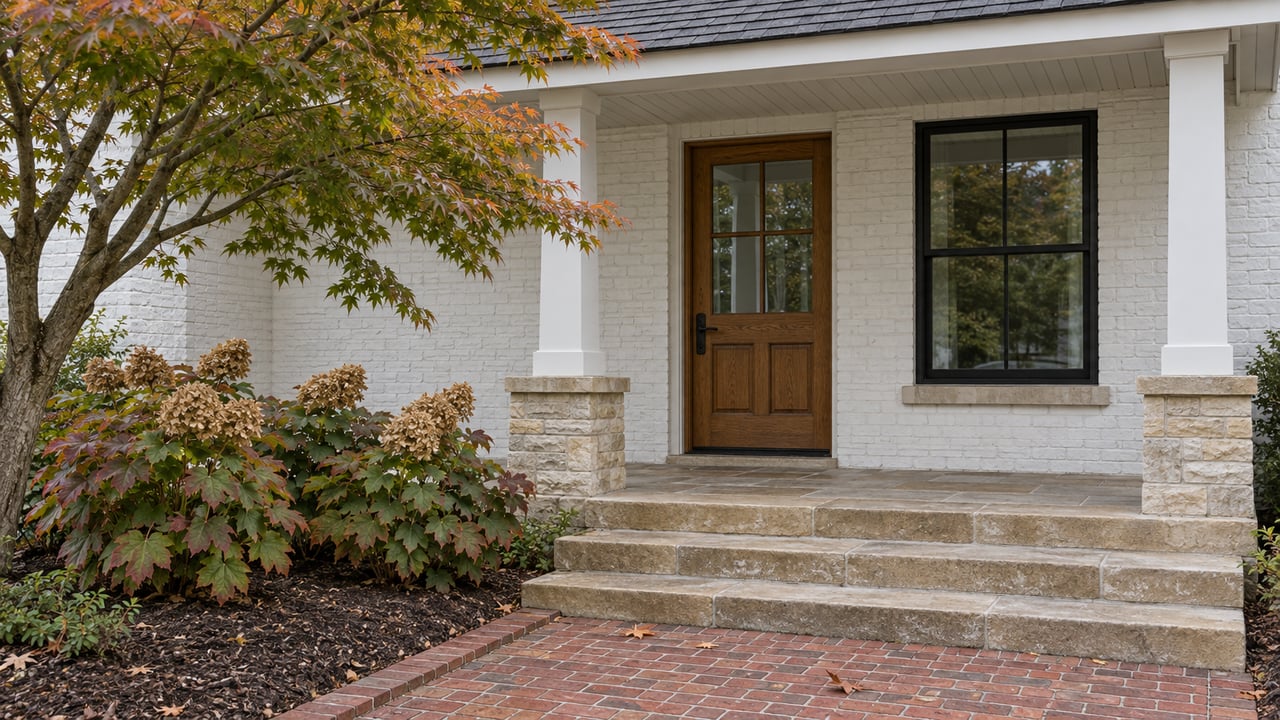
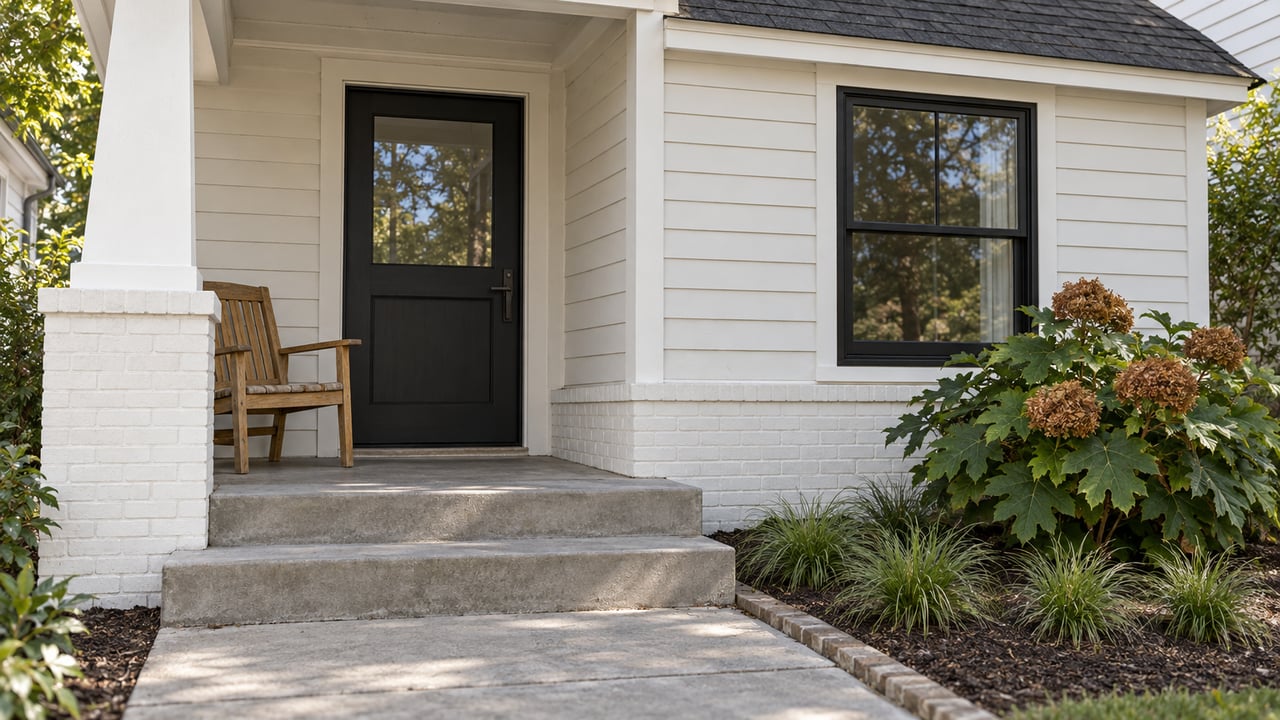
The Waxhaw Historic District includes residential architecture from the late 19th century through the early 20th century. Styles noted in the district documentation include Queen Anne, vernacular Triple-A rooflines, bungalows, and Colonial Revival homes, with most houses built between 1900 and 1925.
For buyers, that usually means more architectural variety and a stronger sense of historic character. The streetscape can feel older, denser, and more visually layered than newer parts of town.
Newer homes offer space and modern layouts
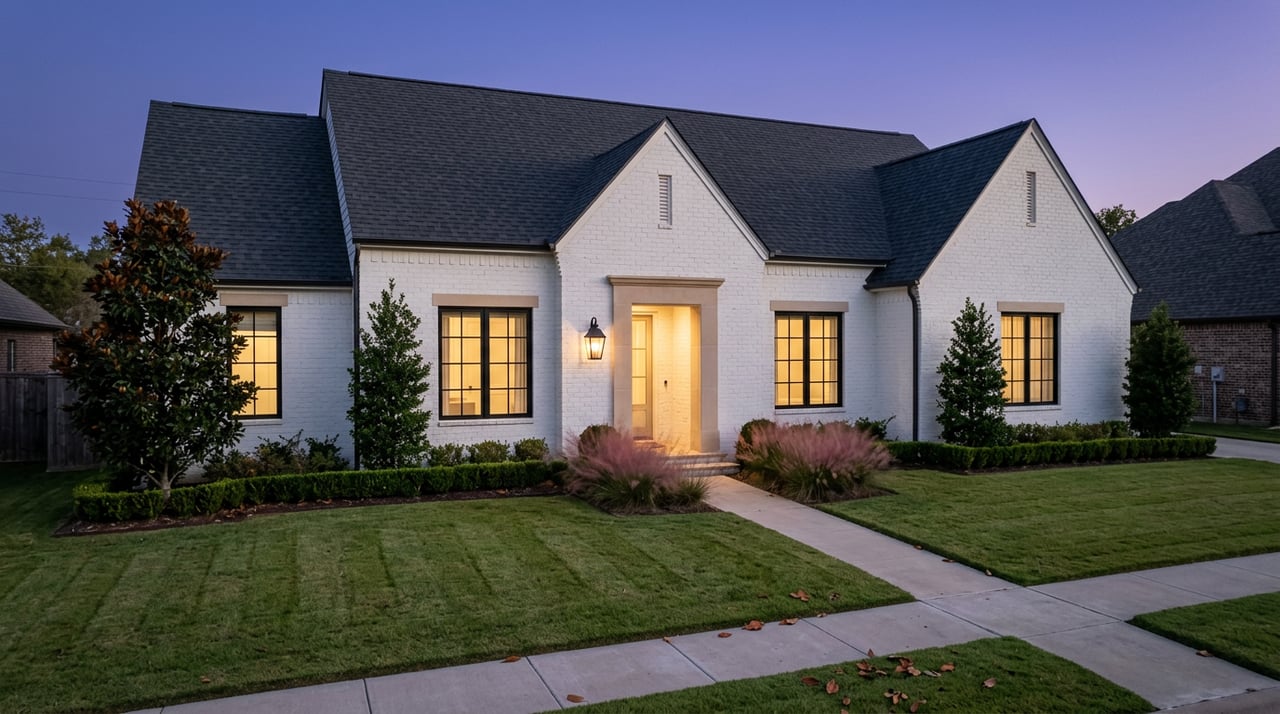
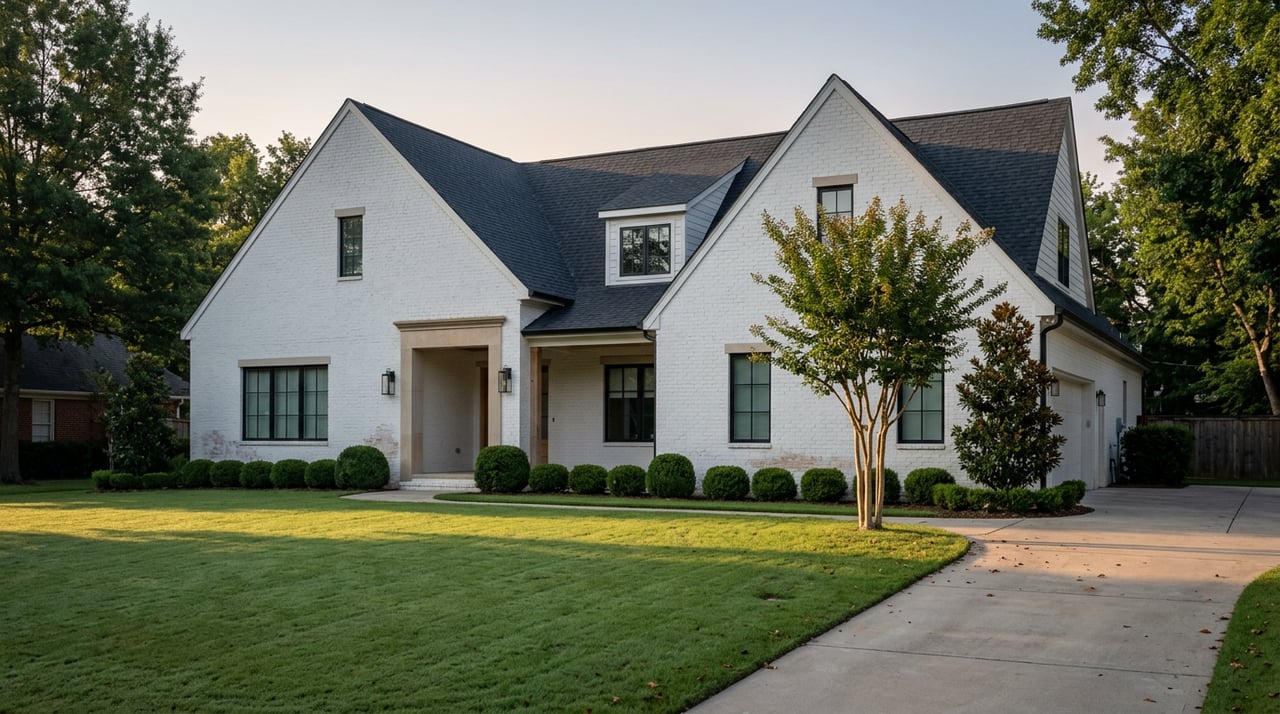
Newer Waxhaw homes are represented by townhomes, two-story single-family homes, and custom homes with farmhouse-inspired exteriors and larger footprints. Builder offerings also show options on larger lots, including one-acre homesites in some communities.
If you prefer newer construction, attached garages, and more subdivision-style planning, these neighborhoods may align better with your priorities. The tradeoff is that the setting is usually less walkable than the historic core.
Which Waxhaw Lifestyle Fits You?
If you are deciding between historic Waxhaw and newer neighborhoods, it helps to think about your normal week, not just your wish list. Where do you want to spend your time, and how do you want your home to support that routine?
Here is a simple way to think about it.
Historic Waxhaw may fit you if
- You want the most walkable part of town
- You enjoy local shops, restaurants, and events nearby
- You like older architecture and a more established setting
- You want easy access to Downtown Park and the Main Street atmosphere
Newer Waxhaw may fit you if
- You want newer construction or a larger home
- You prefer a suburban neighborhood feel
- You value sidewalks, internal trails, and neighborhood circulation
- You do not mind driving more often for errands and dining
Why this contrast matters when buying
In a market like Waxhaw, the right choice is often less about whether one area is better and more about which lifestyle matches your goals. Some buyers want character, walkability, and a historic setting. Others want square footage, newer finishes, and a more suburban layout.
That is where local guidance matters. When you compare homes in different parts of Waxhaw, you are not just comparing price and floor plan. You are comparing two different ways of living.
If you are weighing historic charm against newer construction in Waxhaw, Tyler Ferguson can help you sort through the tradeoffs and find the fit that makes sense for your day-to-day life.
FAQs
What is everyday life like in historic downtown Waxhaw?
- Everyday life in historic downtown Waxhaw is centered on walkability, local businesses, events, and public spaces like Downtown Park, with many destinations close together.
What is everyday life like in newer Waxhaw neighborhoods?
- Everyday life in newer Waxhaw neighborhoods is generally more suburban and car-oriented, with internal sidewalks, neighborhood trails, and more space around homes.
Are newer areas of Waxhaw walkable?
- Newer areas of Waxhaw often support neighborhood walking through sidewalks and trail networks, but they are usually less walkable for errands and dining than downtown.
What kinds of homes are common in historic Waxhaw?
- Historic Waxhaw includes older homes built mostly between 1900 and 1925, with styles such as Queen Anne, bungalows, Colonial Revival, and other early residential forms.
What kinds of homes are common in newer Waxhaw communities?
- Newer Waxhaw communities include townhomes, larger single-family homes, and custom homes, often with more modern layouts, larger footprints, and garage-forward designs.