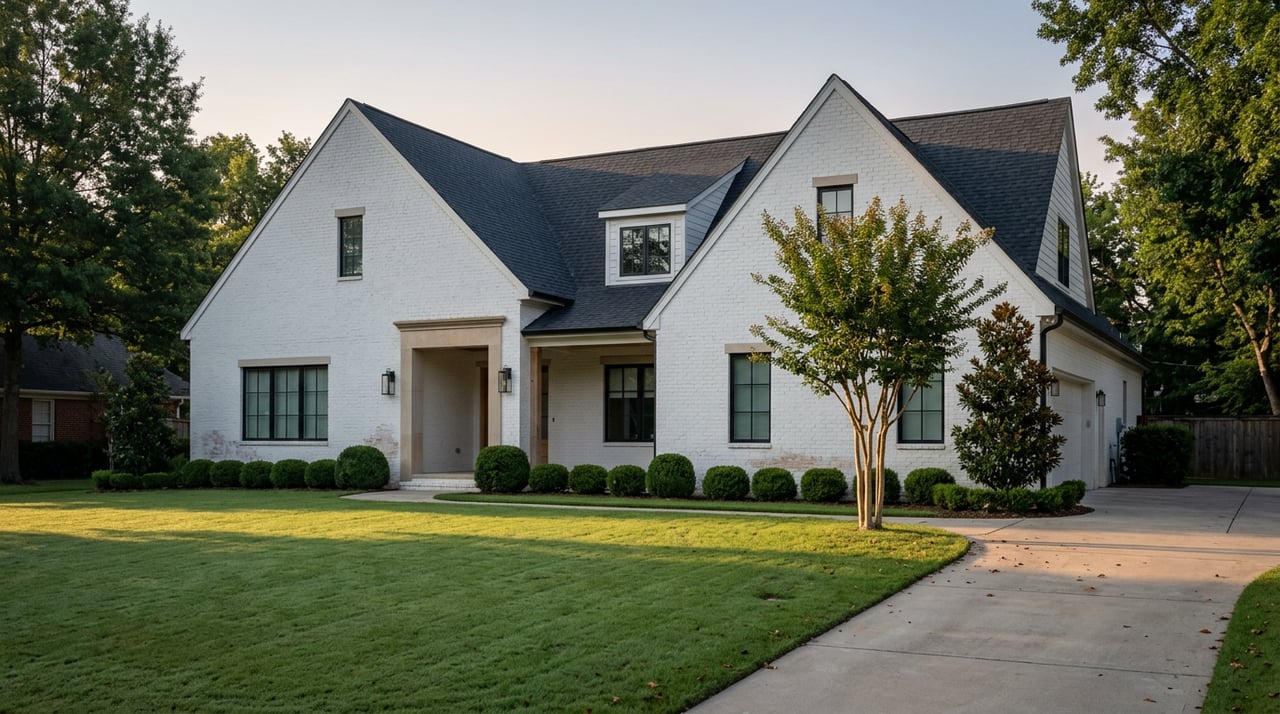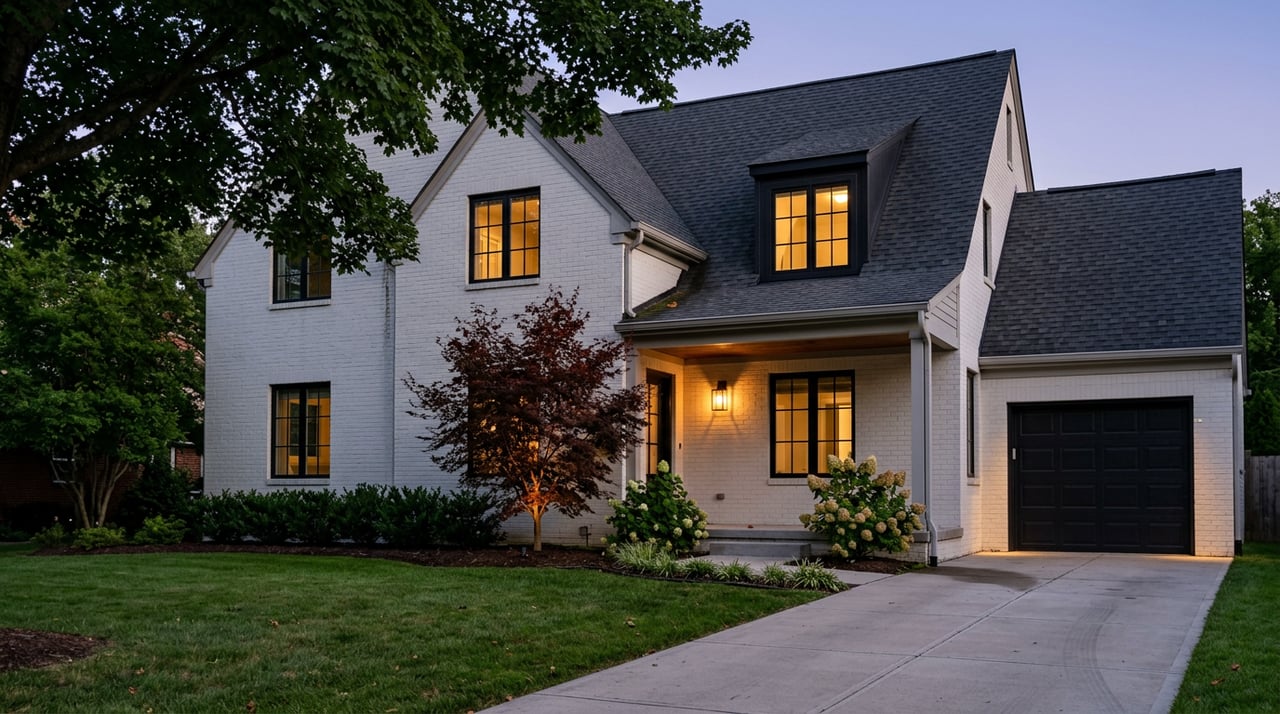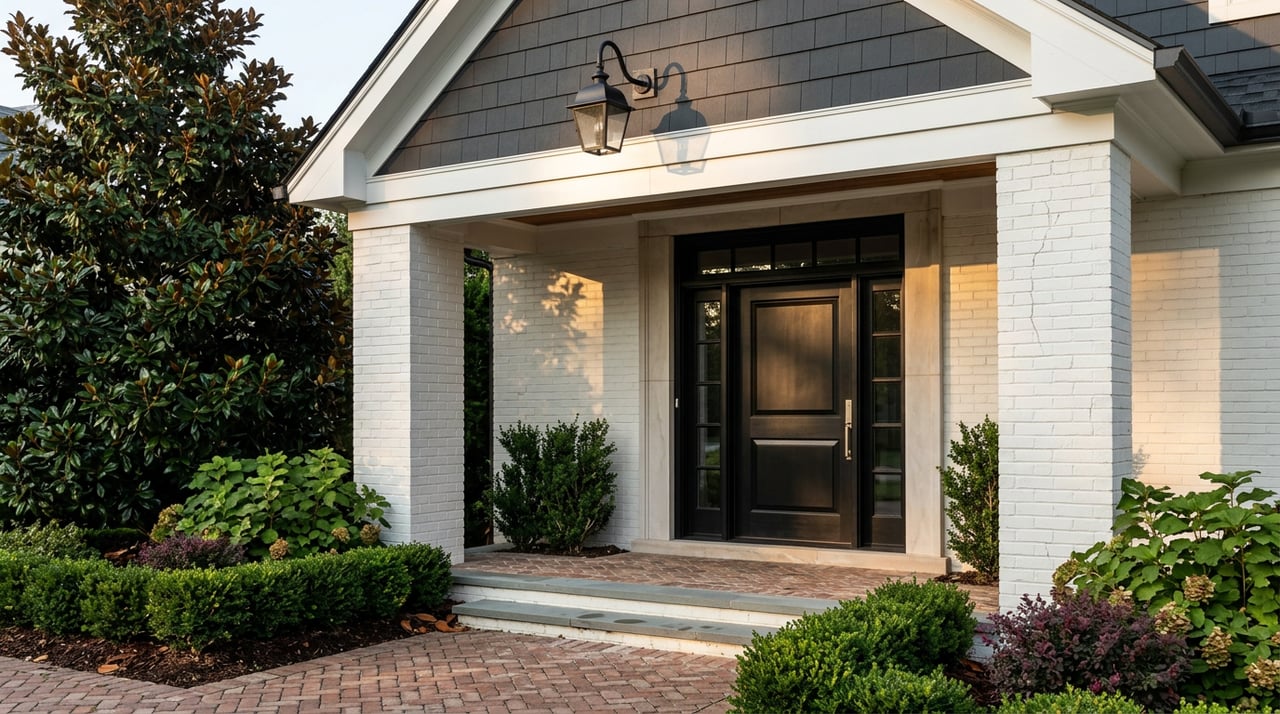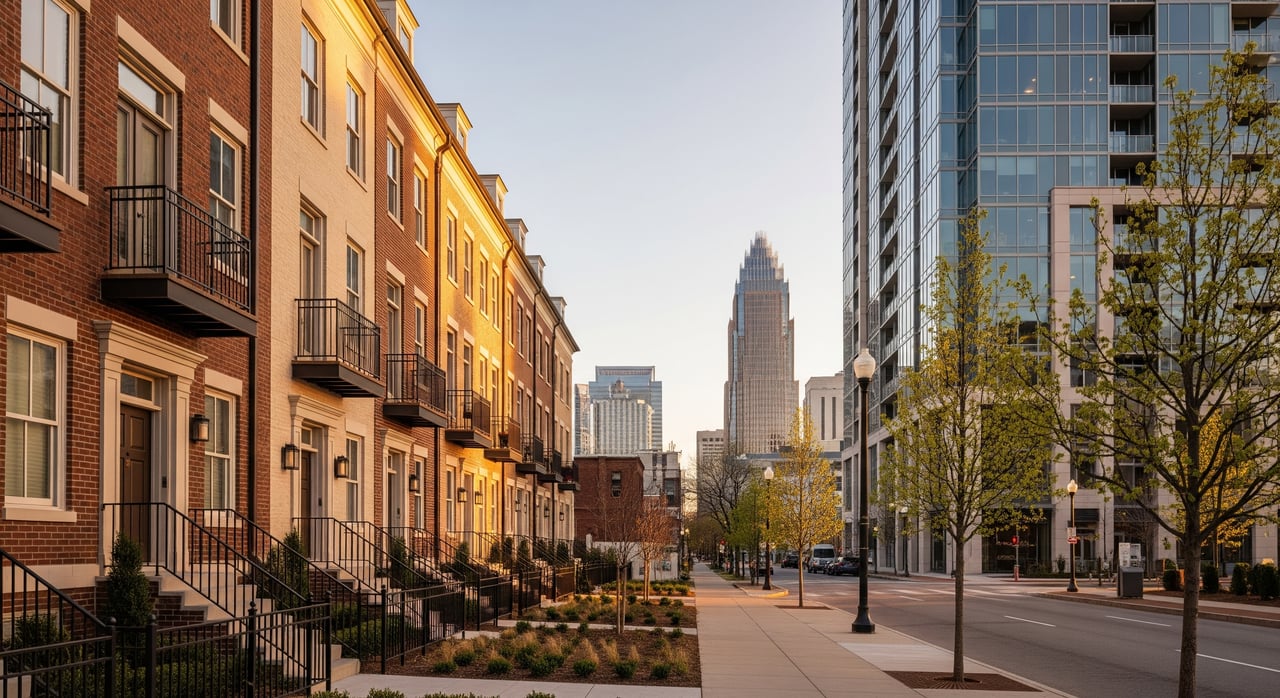
Torn between a sleek condo and a roomy townhome in South End? You are not alone. With the Lynx Blue Line close by, a packed calendar of local events, and restaurants and breweries steps away, the choice often comes down to how you want to live day to day. In this guide, you will learn the key differences in ownership, HOA coverage and costs, maintenance, insurance, financing, and lifestyle trade-offs specific to South End. You will also get a practical checklist to make a confident decision. Let’s dive in.
South End at a glance
South End is one of Charlotte’s most walkable, transit-friendly neighborhoods directly south of Uptown. You will find converted industrial loft condos, mid- and high-rise buildings with amenities, newer low-rise multifamily, and rows of modern infill townhomes. Mixed-use pockets with fitness, coworking, and retail are common, so daily errands and nights out are close.
Proximity to the Lynx Blue Line and bus routes shapes what many buyers prioritize. Short commutes into Uptown and easy access to dining often matter more than private yard space. That is why you see strong demand for both high-amenity condos and multi-level townhomes with private garages.
What you actually own
Condo ownership in practice
With a condominium, you typically own the interior of your unit, plus a shared interest in the common elements. Those common elements can include hallways, the building exterior and structure, roofs, elevators, parking structures, landscaping, and amenities. The condo association, through its HOA, governs and maintains those areas. Your responsibility is usually limited to your interiors and a condo owner’s policy.
Townhome ownership in practice
A townhome in Charlotte is often fee-simple, which means you own the structure and the land beneath it. Many townhome communities still have an HOA that maintains shared areas, private streets, and sometimes exteriors and roofs. Responsibilities vary by community, so never assume. Always confirm what the HOA covers before you write an offer.
The governing documents
Both condos and townhomes are governed by recorded documents: a declaration or CC&Rs, bylaws, rules and regulations, and an operating budget and reserve plan. North Carolina statutes regulate condominiums and planned communities. For any specific property, review the recorded declaration and HOA documents during due diligence and consider professional guidance.
HOA fees, coverage, and risk
What fees often cover
In South End condos, HOA fees commonly fund exterior and structural upkeep, elevators, hallways, lobby and common HVAC, building insurance for common elements, trash and recycling, security or concierge in higher-end buildings, and amenities such as a gym, pool, or rooftop. In townhome communities, coverage can range from minimal common-area landscaping and private street maintenance to more robust exterior coverage, depending on the declaration.
Why fees vary
Fees vary widely in South End. The building type and amenity level, age and maintenance needs, and whether major systems are funded by the HOA or owners drive the monthly cost. High-rise buildings with pools, concierge services, and structured parking tend to have higher fees, while smaller townhome associations with limited services may keep fees lower. For a true apples-to-apples comparison, request the current budget, reserve study, and recent financials for each property you are considering.
Reserves and special assessments
Healthy reserves reduce the chance of surprise costs. Ask for the reserve study, current reserve balance, operating budget, the delinquency rate for dues, and a list of any recent or planned special assessments. Review minutes from the last 6 to 12 months of HOA meetings for clues about upcoming projects or litigation. Associations with low reserves or recent large assessments can be higher risk for near-term extra costs.
Maintenance and insurance
Day-to-day upkeep
Condo owners typically focus on interior finishes and personal property. The HOA handles exterior and structural maintenance, which can reduce your day-to-day upkeep. Townhome owners often have more exterior responsibility, such as roofs, siding, or decks, unless the HOA assumes those items. If you prefer low maintenance, a condo can be a fit. If you want more control and a house-like feel, a townhome may suit you better.
Insurance you will need
Condo owners usually carry an HO-6 policy, sometimes called walls-in coverage. The condo association carries a master policy for the building and common elements. Confirm whether the master policy is full replacement or bare walls to studs and what deductibles apply. Townhome owners often need an HO-3 or HO-5 policy similar to a single-family home, especially if they own the exterior. Ask the HOA for the master policy declarations, then have your insurance agent confirm what gaps your policy must cover.
Financing and approvals
How lenders view each option
Fee-simple townhomes on their own parcels are often underwritten like single-family homes and can be straightforward for conventional, FHA, or VA loans. Condominiums may require project-level review. Many lenders look for owner-occupancy thresholds, adequate reserves, and proper insurance in the condo project. If you plan to use FHA or VA, or if you want a faster underwriting process, check early whether the specific condo project meets your lender’s requirements.
Steps to keep your loan on track
- Ask your lender up front whether the condo requires project approval.
- Provide HOA documents promptly so the lender can complete any project review.
- If you are comparing multiple buildings, ask which ones already meet your lender’s criteria.
- For townhomes, confirm whether the property is fee-simple and how the HOA is structured.
Lifestyle trade-offs in South End
Why a condo might fit
- Low-maintenance living, since the HOA covers most exterior items.
- Amenities like gyms, pools, rooftops, and possible concierge or security.
- Steps from restaurants, breweries, and light-rail stations in many buildings.
Why a townhome might fit
- More private space and often more square footage across multiple levels.
- Private garage parking and direct street access in many designs.
- A house-like feel with the convenience of an attached product.
Parking, privacy, and outdoor space
Parking varies widely. Condos often include structured or assigned parking, sometimes with limited guest spots. Townhomes commonly offer private garages, though guest parking can still be limited. Condos share walls, floors, and ceilings and use common corridors, while townhomes reduce vertical neighbor exposure but still share side walls. Townhomes are more likely to offer small patios or rooftop decks; condos may offer balconies with less ground-level outdoor space.
Price and value patterns to keep in mind
In South End, townhomes often deliver more interior space and private parking per unit, which can push list prices higher than a typical condo, even if the condo’s price per square foot is higher due to amenities or a prime location. Since prices and HOA fees change quickly, base your comparison on current listings and recent sales. Use Mecklenburg County parcel records, your agent’s MLS data, and neighborhood updates to keep numbers current.
Decision checklist for South End buyers
- Commute and transit: Do you want to be next to the Lynx Blue Line or bus routes?
- Amenities vs space: Do you value a gym, pool, and concierge more than extra square footage and a private garage?
- Maintenance tolerance: Would you rather the HOA handle exteriors, or do you want more control and responsibility?
- Parking needs: How many cars, how often do you host guests, and what are the guest parking rules?
- HOA health: Review budgets, reserves, special assessments, litigation, and delinquency rates.
- Insurance costs: Confirm what the HOA master policy covers, then price your HO-6 or HO-3/HO-5 policy.
- Financing: If using FHA or VA, ask about condo project approval early and confirm the townhome is fee-simple.
- Resale and rental plans: Check rental limits, short-term rental rules, and owner-occupancy percentages if relevant.
Due diligence documents to request
Declaration/CC&Rs, bylaws, and rules and regulations.
Current operating budget and the last 2 to 3 years of financial statements.
Most recent reserve study and funding plan.
Minutes from recent HOA or board meetings, usually 6 to 12 months.
Insurance declarations for the HOA master policy and deductibles.
Any pending or recent special assessments and capital project lists.
Owner-occupancy and rental percentages and any short-term rental policies.
Pending litigation disclosures.
Parking assignments and guest parking rules.
Pet and smoking policies.
For condos: elevator history, structural reports, and any major repairs planned, such as roof, façade, or garage.
When the choice is close
If you are torn between a condo and a townhome, let the HOA’s financial health and your lender’s feedback help you decide. A great condo in a building with low reserves, pending litigation, or a difficult project approval could limit your financing options or increase your risk of extra costs. A townhome with clear fee-simple ownership and a stable HOA can simplify underwriting and long-term maintenance planning. Ask targeted questions, read the documents, and build your offer strategy around what you learn.
Ready to compare specific South End options with a local pro who understands financing, construction, and HOA details? Reach out to Tyler Ferguson to talk through your goals and line up a smart tour plan.
FAQs
What is the main ownership difference in South End condos vs townhomes?
- Condos typically give you interior unit ownership plus shared interest in common areas, while townhomes are often fee-simple, meaning you own the structure and land beneath it, subject to any HOA responsibilities.
How high are HOA fees for South End condos and townhomes?
- Fees vary by building type, amenities, age, reserves, and whether major systems are funded by the HOA; compare actual budgets, reserve studies, and recent financials for each property rather than relying on averages.
Are South End condos harder to finance than townhomes?
- They can be, since many condo loans require project-level approval that looks at owner-occupancy, reserves, and insurance, while fee-simple townhomes are often underwritten like single-family homes.
What insurance do I need for a South End condo or townhome?
- Condo owners usually need an HO-6 policy that complements the building’s master policy, while townhome owners often need an HO-3 or HO-5 policy similar to single-family coverage; verify the HOA master policy first.
Can I rent out my South End condo or townhome, including short-term rentals?
- Many HOAs limit rentals or set minimum lease terms, and city or county rules may also apply, so check the HOA’s rental and short-term rental policies and confirm any municipal regulations before you buy.