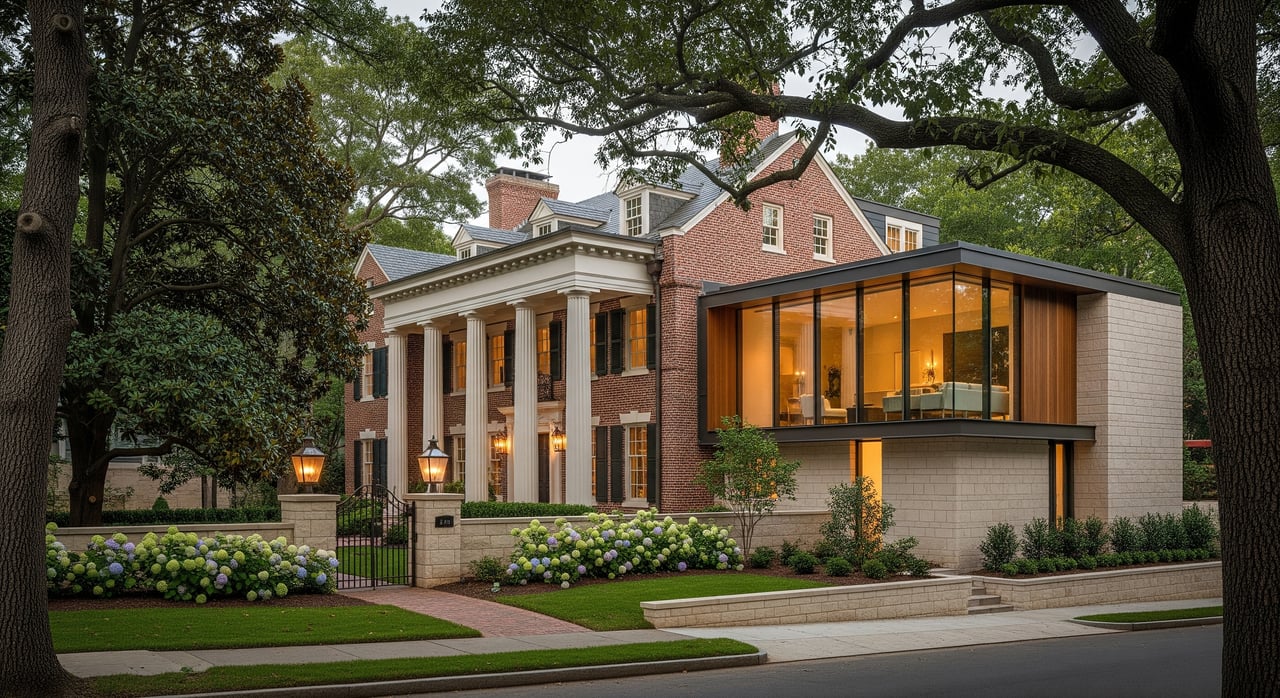
Thinking about opening up that classic Myers Park bungalow or starting fresh with a custom build? It’s a big call, and the right answer depends on your lot, the home’s bones, your budget, and how you want to live. You want clarity, not guesswork, before you spend a dollar or lose months to permitting. In this guide, you’ll learn how Myers Park’s character, rules, costs, timelines, and resale dynamics shape the renovate-versus-new-build decision so you can move forward with confidence. Let’s dive in.
Renovate vs. build: quick take
If you love your home’s curb appeal and the structure is solid, a thoughtful renovation can deliver strong value while preserving what makes Myers Park special. If your layout is unworkable, systems are at the end of their life, or you need significant square footage, new construction may offer a cleaner, long-term path. The specifics below will help you pressure-test each path.
Myers Park context that shapes the choice
Myers Park is one of Charlotte’s oldest neighborhoods, known for large lots, curved streets, a mature tree canopy, and early 20th-century homes. That character drives buyer expectations and property values. Many parcels are deep or irregular with significant trees and grade changes, which can impact demolition, foundations, and site design.
Some properties carry deed covenants or neighborhood guidelines that restrict exterior changes, fences, or outbuildings. Parts of Myers Park are recognized for historic significance, and if your property sits within a locally regulated historic district or is an individually designated resource, exterior changes and demolitions may require formal review. Before sketching plans, confirm any historic status and private deed restrictions, and connect with neighborhood organizations for context.
Permits and approvals to expect
What typically needs permits
- Building permits for structural work, additions, roofs, and any mechanical, electrical, or plumbing changes.
- Demolition permits for tear-downs. If in a local historic district, expect additional review for demolitions and new construction.
- A Certificate of Appropriateness or similar approval for exterior changes when located in a locally regulated historic district.
- Tree review or permits for removal or mitigation. Large and protected trees are commonly regulated.
- Grading, stormwater, and erosion-control permits when adding foundations or doing substantial site work.
- Utility connection permits and potential upgrades, including sanitary and sewer lateral compliance.
Typical review timelines
- Small, straightforward interior work can be permitted in days to a few weeks after submission.
- Major renovations with structural changes or projects that require historic review can take several weeks to several months.
- New construction, including plan preparation, city and county review, and approvals, often takes 2 to 6 months before you can start. Construction commonly runs 12 to 24 months depending on complexity.
How to reduce delays
- Meet early with City of Charlotte Development Services to confirm required permits and average review times for your scope.
- If applicable, consult the local historic commission before design is final to understand materials, massing, and streetscape expectations.
- Order tree, topographic, and site surveys upfront. Tree protection can determine feasible footprints and driveway locations.
Cost and timeline reality
Every project is unique, but a few patterns hold true. Costs vary by scope, site conditions, finish level, and market pricing for labor and materials. Get multiple local bids and include a healthy contingency when planning.
Renovation scopes and timing
- Cosmetic refresh: paint, flooring, fixtures, and minor kitchen or bath updates. Typical timeline is 1 to 3 months.
- Partial remodel: kitchen and 1 to 2 baths with limited system updates. Often 2 to 6 months.
- Major whole-house renovation: gut interior, replace systems, and reconfigure layouts. Expect 6 to 12 months or more, especially in older homes where hidden conditions are common.
Renovation advantages include preserving streetscape and original character, potentially lower cost than a full tear-down, and shorter timelines when structural systems are sound. Risks include unforeseen structural or system issues, the cost of matching historic materials, and layout constraints that can be expensive to change.
New construction scopes and timing
- Partial tear-down with addition: retain key porch or façade elements while creating a modern interior. Timeline is often 9 to 18 months.
- Full tear-down and new single-family home: plan and permit plus construction typically totals 12 to 24 months, longer with complex sites or designs.
New builds let you optimize plan efficiency, modern systems, and long-term maintenance costs with warranties and energy-efficient features. Tradeoffs include higher upfront site and foundation costs, the need to align with neighborhood scale and character, and the loss of original fabric that many Myers Park buyers value.
Common cost drivers to plan for
- Existing structure and foundation condition.
- HVAC, electrical, and plumbing scope.
- Hazardous materials such as lead paint or asbestos in older homes.
- Historic review requirements that may influence materials and craftsmanship.
- Site work including grading, drainage, and tree protection or removal.
- Utility service size and sewer lateral upgrades.
- Finish level and custom features.
Resale and market fit in Myers Park
Historic character paired with high-quality, modernized interiors often commands a premium. Buyers are sensitive to curb appeal and compatibility with the block. Preserving exterior scale, setbacks, porches, and roofline rhythm can help a project feel at home on the street.
Avoid over-improving relative to nearby comps. Before finalizing plans, compare your projected finished price to recent sales on the same street or adjacent blocks. Focus first on systems and deferred maintenance such as roof, HVAC, windows, electrical, and plumbing. These items can reduce buyer negotiation pressure later.
Two buyer segments typically show up here. Preservation-minded buyers seek authenticity and original detail, which supports sensitive renovations that expose or restore millwork, moldings, and mantels. Buyers who prioritize open layouts and large kitchen or family spaces may favor new construction or a thoroughly reconfigured interior. A best-of-both approach that keeps a sympathetic exterior while delivering a bright, functional interior often reaches the widest audience.
Risks and hidden costs to watch
Older Myers Park homes can reveal surprises once you open walls or dig into site work. Plan for:
- Hazardous materials abatement such as lead paint or asbestos.
- Structural or foundation repairs, rotten sills, termite damage, or framing corrections.
- Utility and service upgrades including electrical service size, galvanized plumbing replacement, or sewer lateral work.
- Tree protection requirements and root systems that impact foundations and driveway alignments.
- Historic review delays, neighbor input, or conditions to replicate historic materials.
- Stormwater and grading mitigation on constrained lots.
A construction contingency of 10 to 20 percent is a prudent buffer for older homes and custom builds.
Financing paths to compare
Match the financing tool to your project type and risk tolerance.
- Construction-to-permanent loan for ground-up builds.
- Renovation loans for purchase plus improvements, such as FHA 203(k) and Fannie Mae HomeStyle Renovation, subject to program rules.
- HELOC or cash-out refinance for current owners funding renovations.
For tear-downs and new builds, lenders often require experienced builders and robust cost contingencies. Engage a local lender who regularly handles renovation and construction loans early in your planning.
Smart value-engineering moves
Stretch your budget without sacrificing livability or approvals.
- Prioritize long-life systems and the building envelope before cosmetic upgrades.
- Retain the foundation or portions of structure when feasible to control costs.
- Reuse or replicate key exterior elements such as porches and trim to simplify reviews and preserve character.
- Phase work where possible, tackling essentials first and finishes later.
- Choose durable mid-grade finishes in main areas, saving bespoke materials for focal points.
- Solicit multiple bids and enlist an experienced architect and contractor to vet pricing.
Step-by-step next moves
Use this checklist to build a clear plan before you commit to a path.
Confirm property status
- Determine if your parcel lies within a local historic district or has individual historic designation.
- Search for deed covenants or neighborhood restrictions through county records and the neighborhood association.
Assemble your advisory team
- Architect or designer experienced with historic homes in Myers Park.
- Licensed general contractor with renovation and new-build experience in Charlotte.
- Historic preservation consultant if applicable.
- Local real estate agent to analyze comps and market ceiling.
- Lender experienced with renovation and construction loans.
Obtain assessments and data
- Structural inspection and termite or wood-destroying organism report.
- Hazardous materials survey for homes built before the 1980s.
- Topographic and tree survey to guide footprint and driveway options.
- Preliminary site plan and feasibility review from your architect.
Coordinate regulatory outreach
- Schedule a pre-submittal meeting with City of Charlotte Development Services and, if applicable, the historic commission.
- Confirm tree and grading permit requirements and expected stormwater controls.
Build a realistic budget and timeline
- Secure at least three detailed written estimates for both a like-for-like renovation and a schematic new build that includes site work.
- Include a contingency and model timelines with permitting buffers.
Validate market fit
- Compare projected finished value to recent comps on the same street or nearby blocks to avoid over-improvement.
- Weigh buyer preferences for original fabric versus modern plans in your micro-location.
Which path fits you?
Choose renovation if you want to preserve a contribution to the streetscape, your systems are serviceable, and your plan needs are modest to moderate. This path can be faster and can protect value tied to historic character. Expect to invest in systems and be ready for hidden conditions.
Choose new construction if your current layout cannot meet your needs, systems are at the end of their life, or you need a larger, more efficient floor plan. New builds deliver control over plan and performance with lower near-term maintenance, but require longer timelines, higher upfront site costs, and careful alignment with neighborhood scale and review.
If you are on the fence, consider a hybrid strategy. A partial tear-down with a retained porch or façade can respect the street while creating a modern interior. This can broaden resale appeal in Myers Park when executed with high-quality materials and compatible massing.
Ready to compare your options against real comps, timelines, and neighborhood expectations? Connect with a local advisor who blends market insight with practical renovation know-how. If you would like a grounded, Myers Park–specific plan for renovation versus new build, reach out to Tyler Ferguson to get started.
FAQs
What permits are required for a Myers Park renovation?
- Structural work, additions, roofs, and any mechanical, electrical, or plumbing changes generally require building permits, and exterior work in a local historic district may also need a formal approval.
How long does new construction take in Myers Park?
- Plan preparation, review, and approvals can take 2 to 6 months before construction, and building a custom home commonly takes 12 to 24 months depending on site and design complexity.
Is renovating cheaper than a tear-down in Myers Park?
- Often, but not always; renovation can be more cost-effective when the structure is sound and the scope is moderate, while hidden conditions and layout reconfiguration can narrow the gap with new construction.
How do trees impact my project in Myers Park?
- Large and protected trees typically require review or permits, and root systems can influence foundation design, driveway placement, and site drainage, which affects cost and timelines.
What projects help resale most in Myers Park?
- Buyers tend to reward a sympathetic exterior with a high-quality, modernized interior; prioritizing systems, kitchen and bath updates, and overall flow usually supports stronger resale.